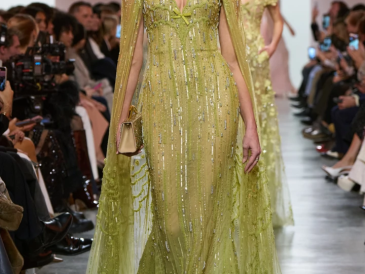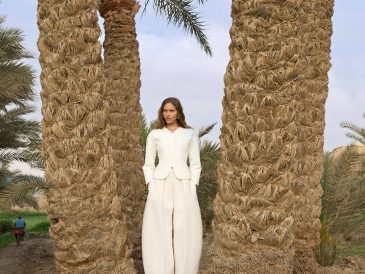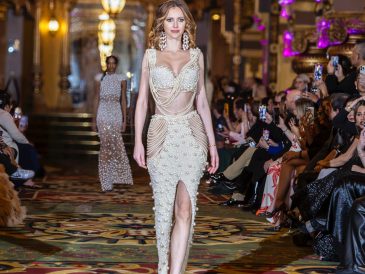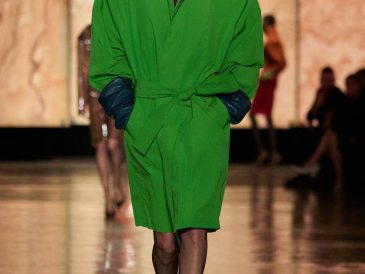
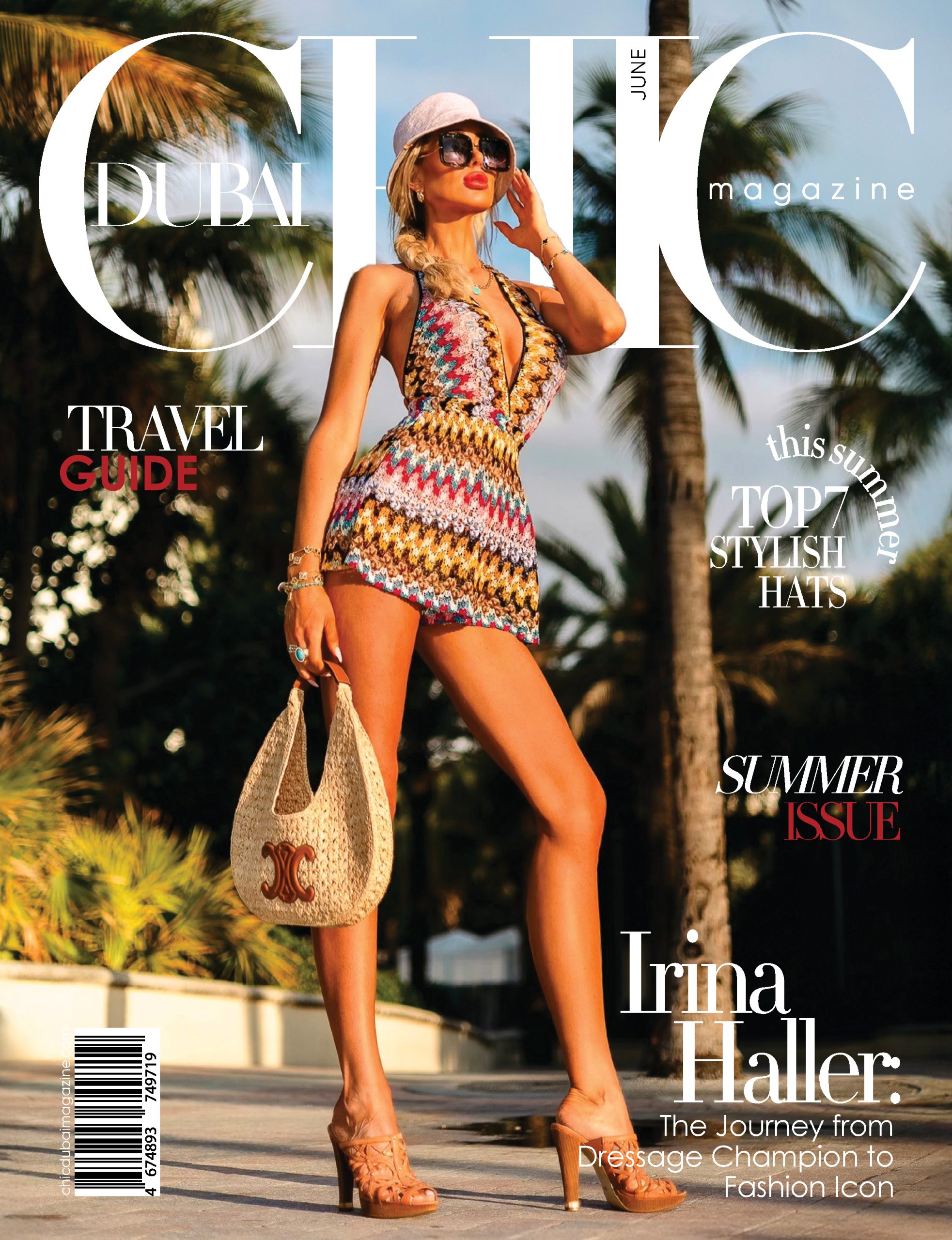
Irina Haller’s swift transition from two decades as an elite dressage rider to modelling on New York Fashion Week runways offers rare insight into the discipline and storytelling behind fashion. Reflecting on the contrasts between European and American style, the resilience gained from sport, and how personal loss has shaped her purposeful approach, Irina reveals a unique perspective on the industry.
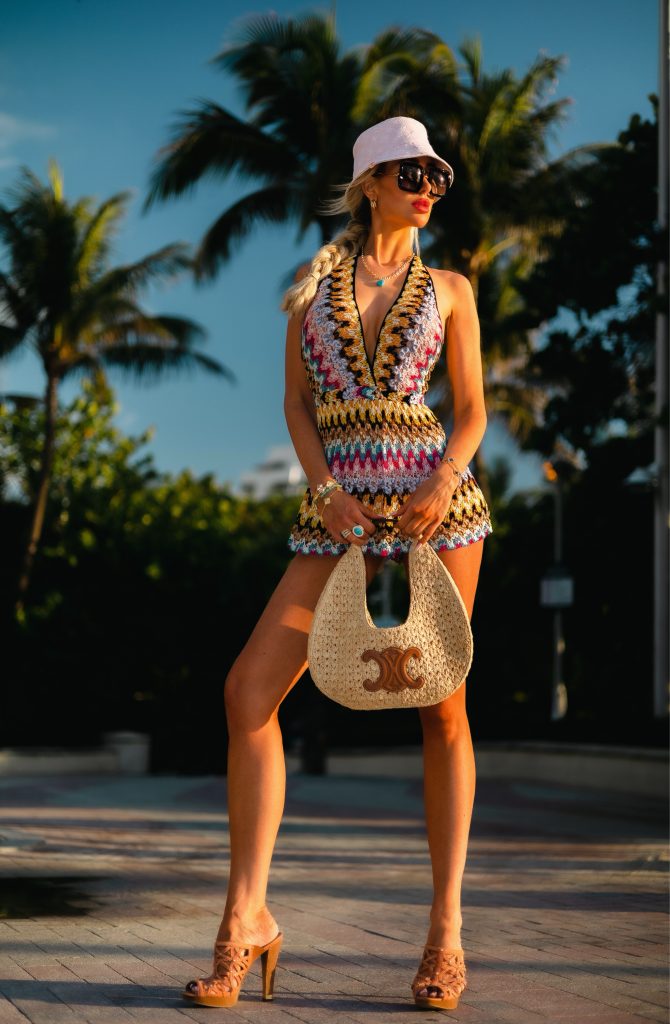
Irina, your modelling career took off rapidly — you walked the runways of New York just two months after your debut. What was the most unexpected aspect of entering this new world?
Honestly, the sheer speed of it all. One moment, I was stepping away from two decades of dressage competition; the next, I suddenly stood backstage at New York Fashion Week, amid some of the industry’s most iconic figures. What took me most by surprise wasn’t the glamour, but the intense focus behind the scenes — the precision, the hush before the spotlight. I quickly realised that modelling is not solely about beauty; it’s about presence, discipline, and the ability to tell a story without uttering a word.
Coming from an elite sport taught me grace under pressure, but fashion introduced a new dimension: storytelling through movement, fabric, and energy. It’s a different kind of performance — one I immediately fell in love with.
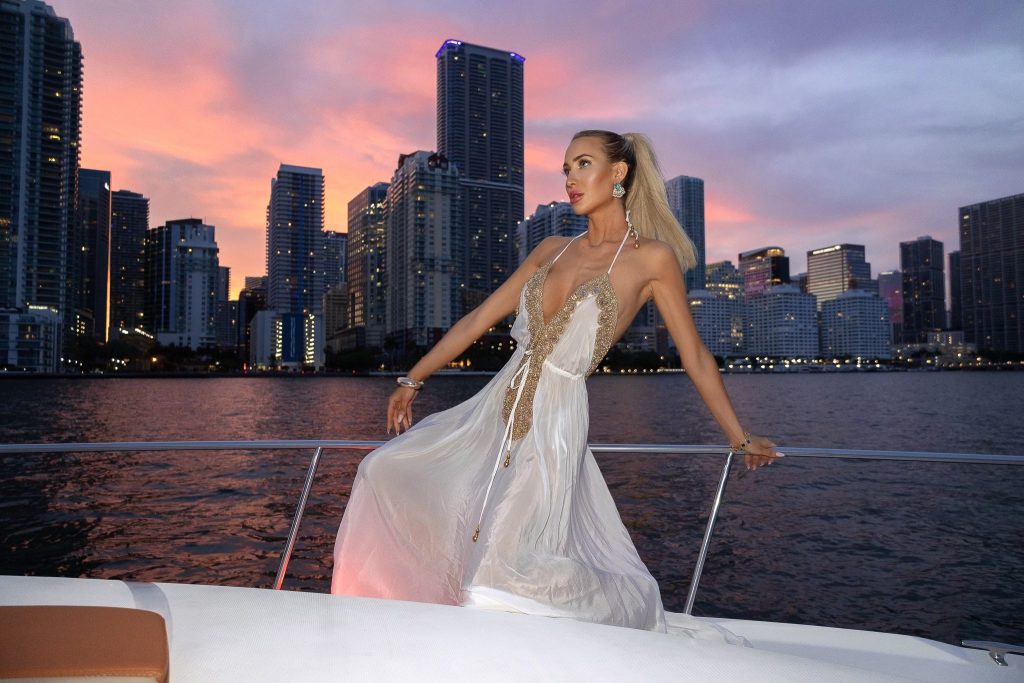
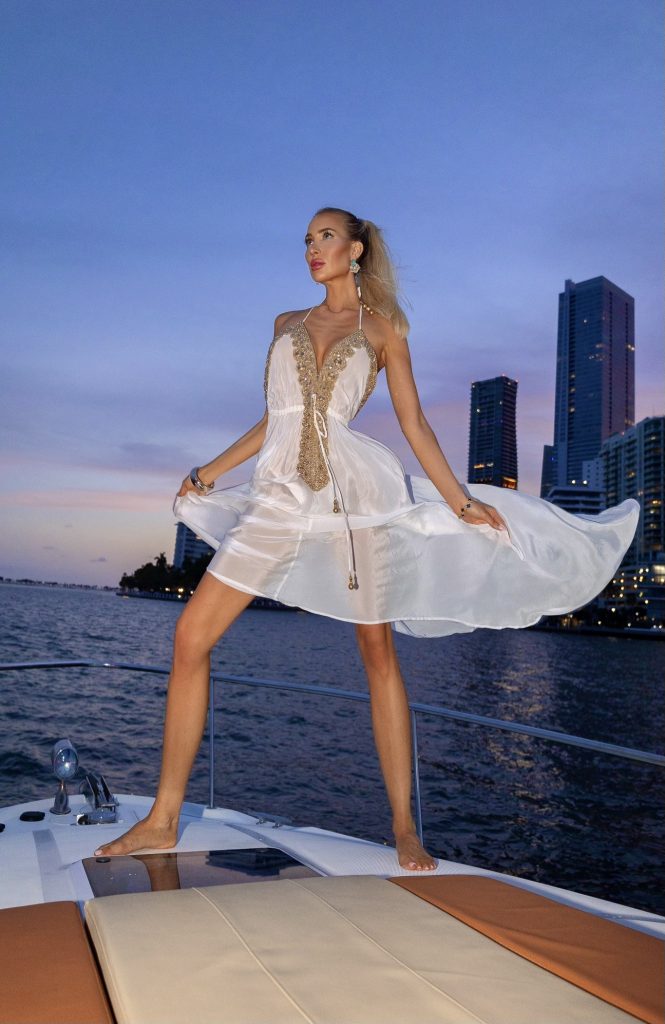
You were born and raised in Germany. How would you describe the differences between the European and American approaches to fashion and style?
There is a beautiful contrast between the two. European fashion is steeped in heritage; it’s subtle, intentional, almost poetic. It cherishes craftsmanship, quiet luxury, and a profound connection to history. In cities like Paris or Milan, style feels instinctive — almost like a language passed down through generations.
America, conversely, celebrates boldness and reinvention. There is a fearless energy, particularly in places like New York or Los Angeles, where fashion becomes a form of personal power and self-expression. It is faster, edgier, and more experimental.
I feel at home in both worlds: in Europe, I gravitate towards timeless elegance; in the U.S., I embrace playfulness — exploring edge and attitude. I believe this balance between the two defines my presence as a model.
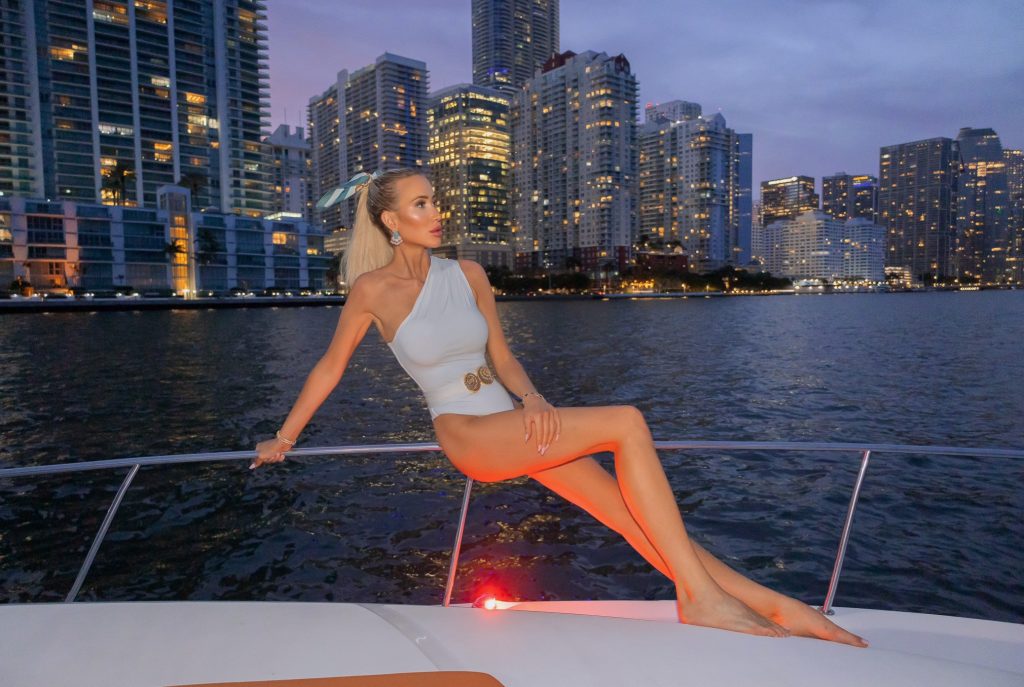
Having spent many years as a professional dressage rider, which skills from equestrian sport have proven most helpful in your modelling career?
Dressage is the art of invisible strength — every movement controlled, elegant, and purposeful. That discipline profoundly shaped how I carry myself both on and off the runway. You learn to master your posture, to be aware of every muscle, every breath. In many respects, walking a runway isn’t so different from riding into a competition arena: the poise, the timing, the calm within the performance.
Equestrian sport also taught me resilience and humility. Horses don’t respond to ego; they respond to energy. In fashion, it’s the same — you must stay grounded, collaborate as a team, and never lose your centre, no matter how fast everything moves around you. This quiet control is what I bring to every shoot and every show.
What was your experience like at the recent Swim Fashion Week in Miami? How does this event differ from other fashion weeks? Were there any surprising or amusing moments behind the scenes?
Swim Week in Miami felt less like a series of shows and more like a sun-kissed family reunion. Although each designer presented their own unique vision, there was an unexpected sense of unity behind the scenes — a shared energy that connected every moment.
There were definitely some memorable, lighthearted instances too. For example, one of our talented makeup artists spontaneously FaceTimed her entire family in Mexico from backstage, and suddenly we were all waving and laughing with her mother, cousins, and even her grandmother. It was a heartwarming reminder of the joy behind the glamour.
At our third show, with a shortage of male models, I was unofficially appointed backstage casting director as the designer finalised the looks. We made it work, and I must say, “my boys” looked incredible on that runway.
It’s moments like these that make fashion weeks unforgettable. It’s never just about the shows — it’s about the stories we create along the way.
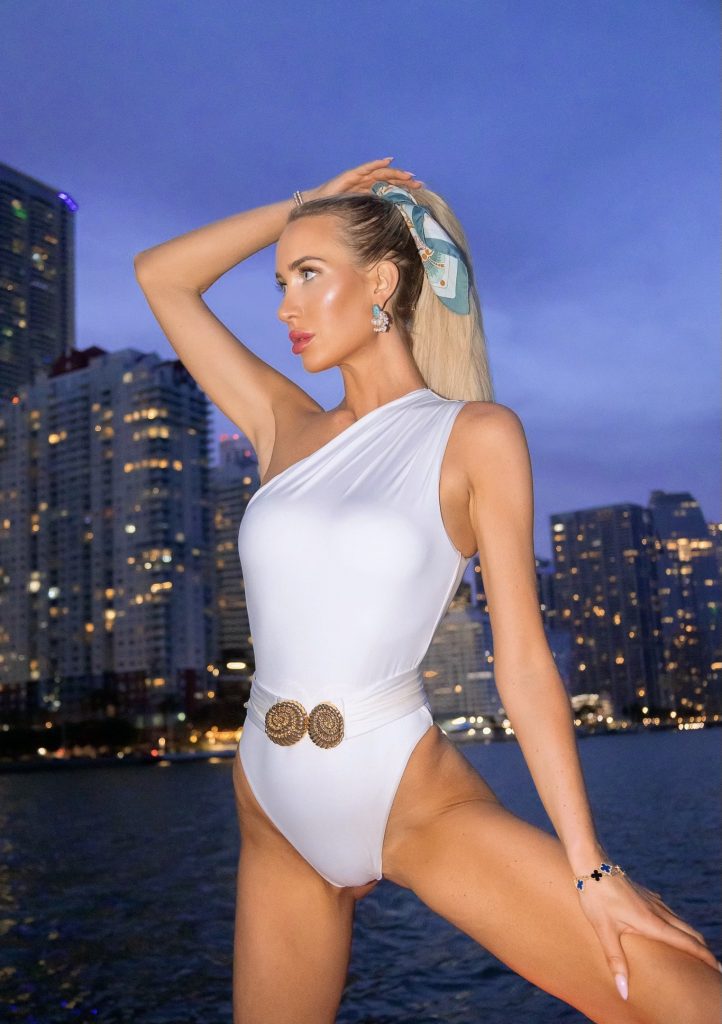
You went through the loss of your father and took over the family business. How has this experience changed your perspective on the fashion world? Has it altered how you see the industry?
Losing my father was a defining moment. It was more than personal grief; it meant stepping into responsibility overnight — taking over our family business and navigating unfamiliar territory with no room for hesitation. This experience shaped me deeply. It taught me resilience, clarity, and how to lead with both heart and structure.
When I entered the fashion industry, I carried that mindset with me. I no longer see this world through a lens of glamour alone — I see the architecture behind it: the strategy, branding, and long-term vision. Every decision I make, from the teams I collaborate with to the campaigns I accept, is intentional.
Above all, it has given me independence. I no longer navigate this industry hoping to be chosen; I know my worth and move forward with purpose. Fashion is not just a chapter for me — it is part of a greater legacy I am building, with grace, strength, and a clear sense of direction.
Model: @missiriina
Photographer: @studio_schreiber_photography
MUA: @_jennifer_schreiber
Creative Director: @piabolte_official